Portfolio
Travel & Culture
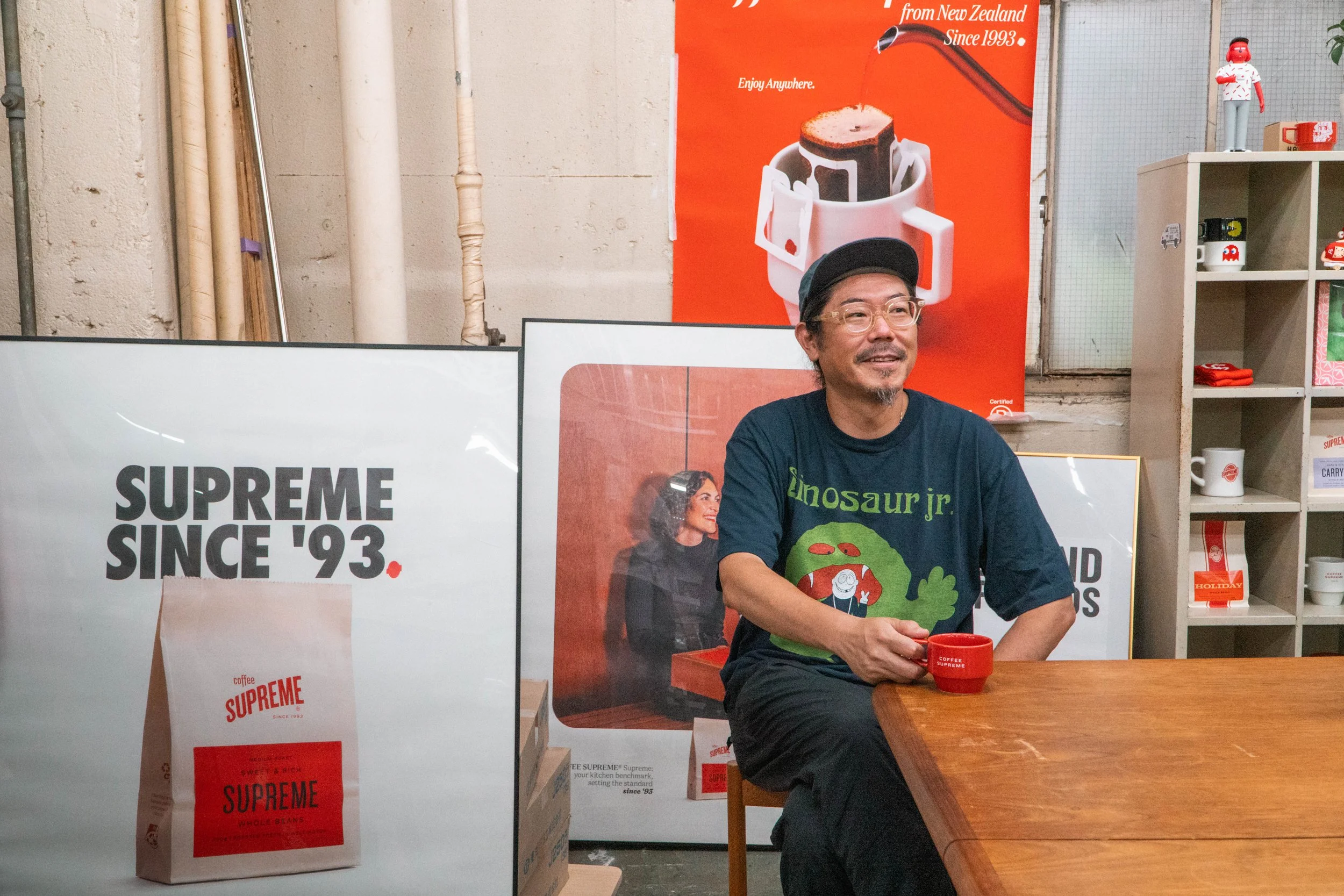
Supreme blend: How Kiwi hospitality found a home in the backstreets of Tokyo
In a city with more than 10,000 coffee shops, Wellington-born roaster Coffee Supreme has quietly carved out a devoted following by exporting not only the humble flat white, but a distinctly New Zealand philosophy of hospitality too. Katie Ham reports from Tokyo.
Less than 10 minutes' walk from the neon glow and organised chaos of Shibuya Crossing sits a small corner of New Zealand.
A black-and-white silver fern hangs from an upstairs window, as the Tino Rangatiratanga flag sways gently in the breeze above Coffee Supreme’s Shibuya store.
Inside, two baristas pour flat whites beneath shelves stacked with distinctive red branding as neighbourhood regulars drift through the door.
Read the full story on The Post here.
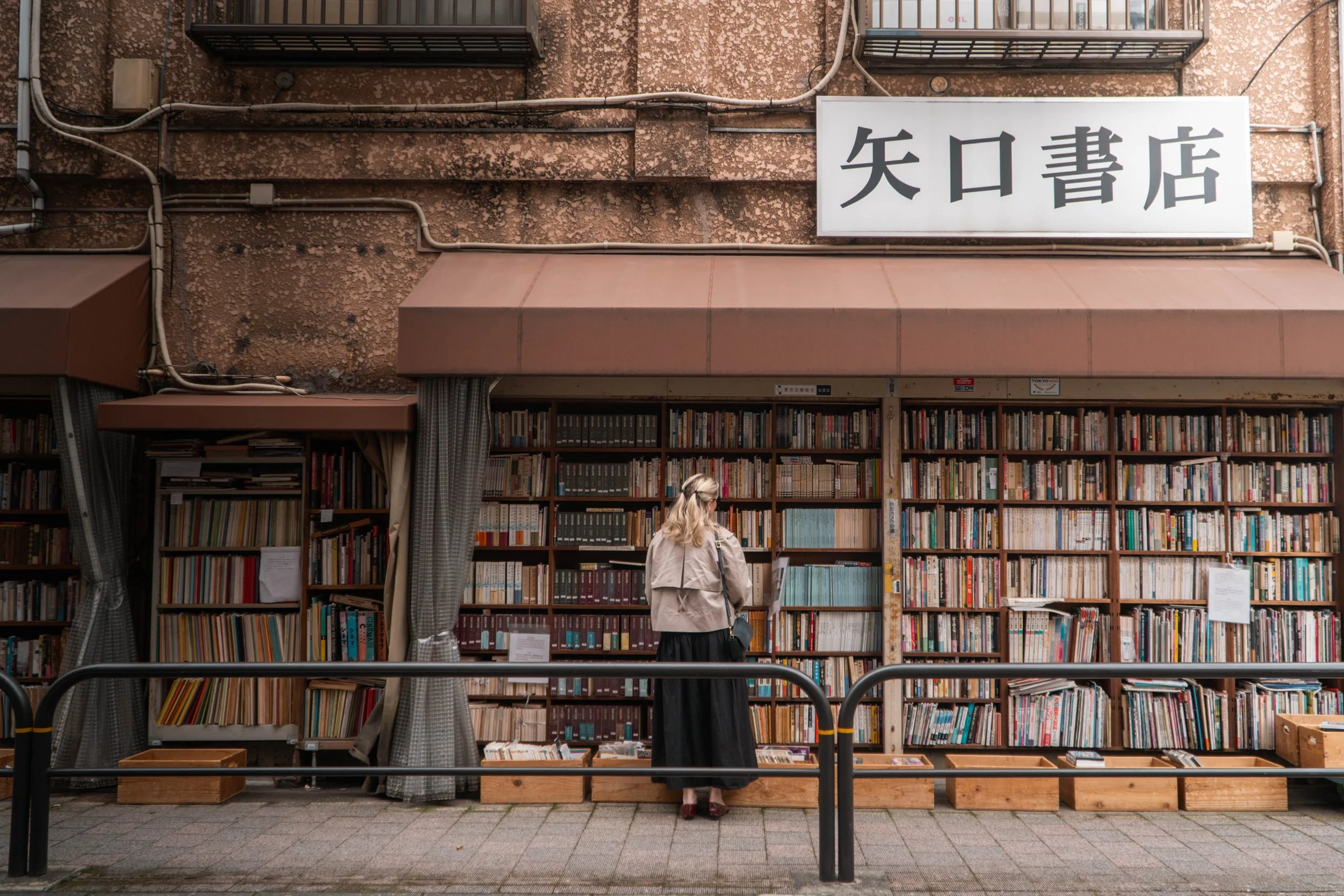
Why I left New Zealand for a year in Japan
Armed with little more than a visa, a handful of Japanese phrases and a lingering sense of unfinished business, former Post journalist Katie Ham heads back to a country that shaped her earliest memories.
The night before we left Wellington, my partner Ryan and I slept in two adjacent children’s beds. I took the woodland fairy-themed one, while Ryan valiantly volunteered for the Minecraft setup.
Even at 5’2”, my feet dangled awkwardly off the edge of the mattress as bright blue cartoon dinosaurs stared down at us from the walls of his parents’ spare room.
The contents of our beloved home in Karori now sat in their garage, our lives packed into a series of plastic storage boxes under dust sheets.
But between the chaos of finishing up at work and dismantling our lives in Wellington, it wasn’t until I lay there under the glare of the dinosaurs that it hit me: we were actually leaving.
Read the full story on The Sunday-Star Times here.
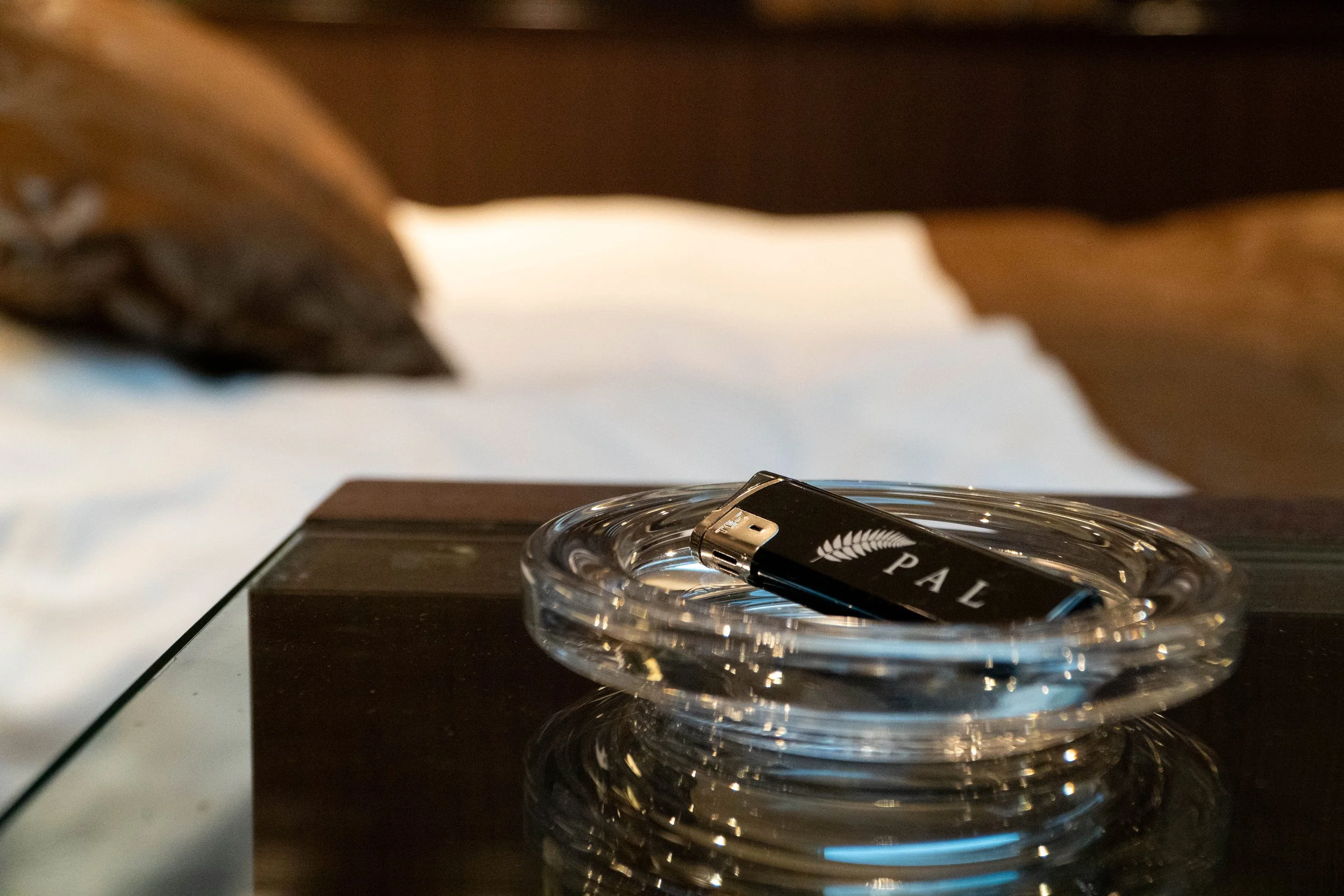
Tokyo’s New Zealand-themed love hotel – that forgot New Zealand
After moving from New Zealand to Japan last month, Katie Ham thought she’d found a small slice of home in Tokyo. Turns out it was a love hotel.
I was walking towards central Shinjuku in search of dinner last week when something familiar cut through the sensory overload.
A small gold kiwi icon surrounded by koru-esque motifs. Then, looming above them both, the words “New Zealand”.
I’d heard rumours of Tokyo’s New Zealand-themed love hotel, but assumed it was one of those pieces of expatriate folklore that only sound plausible after a few glasses of sake. Yet here it was: “Hotel Pal”. And beneath the name, the gloriously baffling slogan: “What a Wonderful World Biodiversity of New Zealand.”
For a split second I wondered whether this was simply what early onset homesickness looked like. Three weeks after moving from Wellington to a city of 14 million people, perhaps my brain had started projecting Kiwiana iconography onto random buildings.
But no, the promise of an opportunity to delve into Aotearoa’s biodiversity in the heart of Tokyo was all too real. Colour me intrigued.
Read the full story on The Spinoff here.
Crime & Investigations
Meth in the suburbs: How high flying professionals became hooked
They had jobs, homes, and routines – lives that by all accounts looked stable from the outside. Then methamphetamine entered the picture. Katie Ham investigates the everyday lives destroyed by New Zealand’s most prolific drug, and the system that keeps it flowing.
Anna* is sitting at the lunch table on her first day in rehab, her hands never still as she talks – fingers picking at each other, tapping lightly on the surface, shifting her mug from one hand to another and back again.
She hasn’t been sleeping, she explains. She was meant to arrive at 10.30am the day before, but didn’t make it through the doors of Red Door Recovery Centre until 8pm.
It was too hard stepping away from the life she knew and saying goodbye to her family home up for sale, but sitting here she says she’s ready – “excited” even – for recovery.
Now a mother of two in her 40s, it’s hard to reconcile this version of Anna with the life she once lived.
Read the full story on The Post here.

Dying for a cure: Inside the global drug trial that ended in tragedy for two Kiwi families
When two New Zealand men volunteered to take part in a global drug trial, they believed in the promise of medical progress. Both are now dead, and their families have been left to navigate a maze of silence and bureaucracy as they fight a “David and Goliath" battle for accountability. Katie Ham investigates.
“My life was pretty good before the trial,” Peter Woods says in a grainy video recorded from his home in Kerikeri in July.
“I’d been cleared of cancer for a long time, a year or so. Everything was going along well. I had an active retirement. Things were happy.”
Woods’ lawyer had asked him to record a video, a statement of sorts, that could be played in court if he didn’t live to tell his story himself.
On screen he looked well enough, but beneath his bright blue-and-white floral shirt, Woods’ body was failing - his skin was mottled with dark bruises, bleeding at the slightest bump, and exhausted from the cocktail of drugs coursing through his system.
Read the full story on The Sunday-Star Times here.
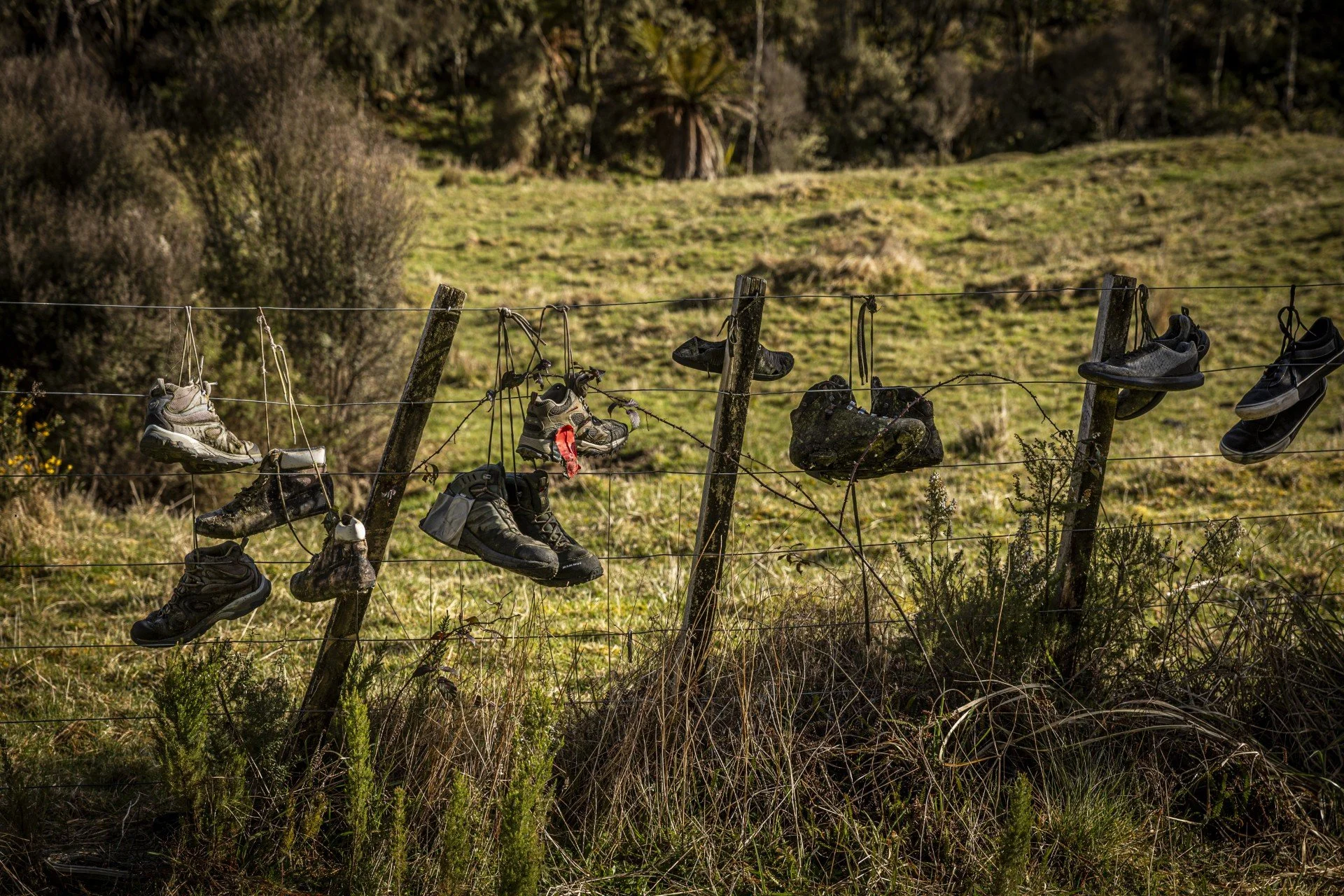
The lost childhoods and lasting scars of the Tom Phillips tragedy
In a case that has captivated the world, fugitive Tom Phillips’ four-year flight from authorities came to an explosive end on a quiet gravel road deep in the King Country earlier this week. Katie Ham reports from Waitomo on the human cost of the tragedy that has rocked back block New Zealand.
It’s the colours you notice first.
In photos of the Phillips children - taken just weeks before they were swallowed by the Waikato wilderness - the world bursts with technicoloured joy.
On a picnic blanket, the siblings cuddle close to their mum, bucket hats shading their dimpled smiles, their clothes a kaleidoscope of bright patterns as pounamu hang proudly from their necks.
By a waterfall, the girls glow in rich tulle princess dresses as they struggle to keep still, cheeky grins stretched from ear to ear.
But on December 12, 2021, the three Phillips children - then aged 8, 7 and 5 - disappeared into a secret, sunless world hidden deep in the bush.
Read the full story on The Sunday-Star Times here.
You can read more of Katie Ham’s latest crime and investigative writing on The Post and Sunday-Star Times here.